
Partner workouts as a CrossFit beginner
Some days the whiteboard pairs you with another member: one clock, one score. Here is how the common formats work, how to split the work with a fitter partner, and what to agree on before the clock starts.
One clock, one score, two people
In a partner workout, two members share the clock and the score, and the workout spells out how the work gets divided. To a new member this can look like the highest pressure format in the gym, because now someone else's result depends on you. In practice, a well designed partner workout is one of the easiest places for a beginner to train. The format builds rest in, and the score belongs to the team. What matters is knowing which format you are in and what your job is inside it.
The four formats you are most likely to see
Most partner workouts use one of a few standard structures. Each one asks something different of the newer partner.
- You go, I go. Partners alternate: one works while the other rests, then they switch, often after a set number of reps or a full round. Your rest lasts exactly as long as your partner's turn, so a faster partner means shorter rest for you. Ask for smaller rep chunks so each of your turns stays short.
- Split it however you like. The workout gives a team total, such as 100 wall balls, and you divide it any way you choose, one person working at a time. This is the most beginner friendly format, because the two of you set the split. A fitter partner taking 60 of the 100 reps is the format working as intended.
- Synchronized reps. Both partners do the movement together, and a rep counts only when both finish it. Here you set the pace for the team, and that is fine. The stronger partner's job is to match you.
- One works, one holds. One partner works while the other holds a position, such as a plank, a hang from the bar, or a kettlebell held at the chest. In many versions the worker can only move while the hold stays unbroken. Holds feel easy for the first stretch and get hard quickly after that, so tell your partner early if you need to switch more often.
Your weight stays your weight
Pairing up changes how the work is shared. It does not change the load that is right for your body. If your partner uses a heavier barbell, you each use your own bar, or you plan a quick plate change before the clock starts. New members sometimes skip the plate change to save the team a few seconds, then end up lifting a weight they have never handled, while tired. Mention it to the coach and it gets sorted before the start. The same goes for movement scaling: one partner doing pull ups while the other does ring rows is a normal pairing.
Agree on three things before the clock starts
A thirty second conversation prevents most partner workout problems. Settle these before the countdown:
- The split. How many reps each turn covers, and whether you switch on a number or on a signal. Smaller, more frequent turns usually suit the newer partner.
- The handoff. A tap on the shoulder or a called "go," so no one loses time wondering whose turn it is.
- The early switch. Agree that either of you can call for a switch when form starts to slip. Saying it out loud before the start makes it easy to use later.
When your partner is much fitter
This is the worry most beginners bring to a partner day. Experienced members are paired with newer ones regularly, and good training partners treat adjusting the split as part of the job. Your job is to move well and show up for every turn. Theirs is to shape the split so the team keeps moving.
Two habits make you an easy partner from your very first week. Count your reps out loud so your partner can track the split without asking. And stay ready during your rest, chalked up and standing next to the equipment, so every handoff is quick. Clean, fast transitions are a skill that has nothing to do with fitness, and a beginner can match anyone in the room on it.
If your team finishes behind the pair next to you, the score records what the two of you did together that day. It says nothing about whether you belong in the class.
Why partner days are worth showing up for early
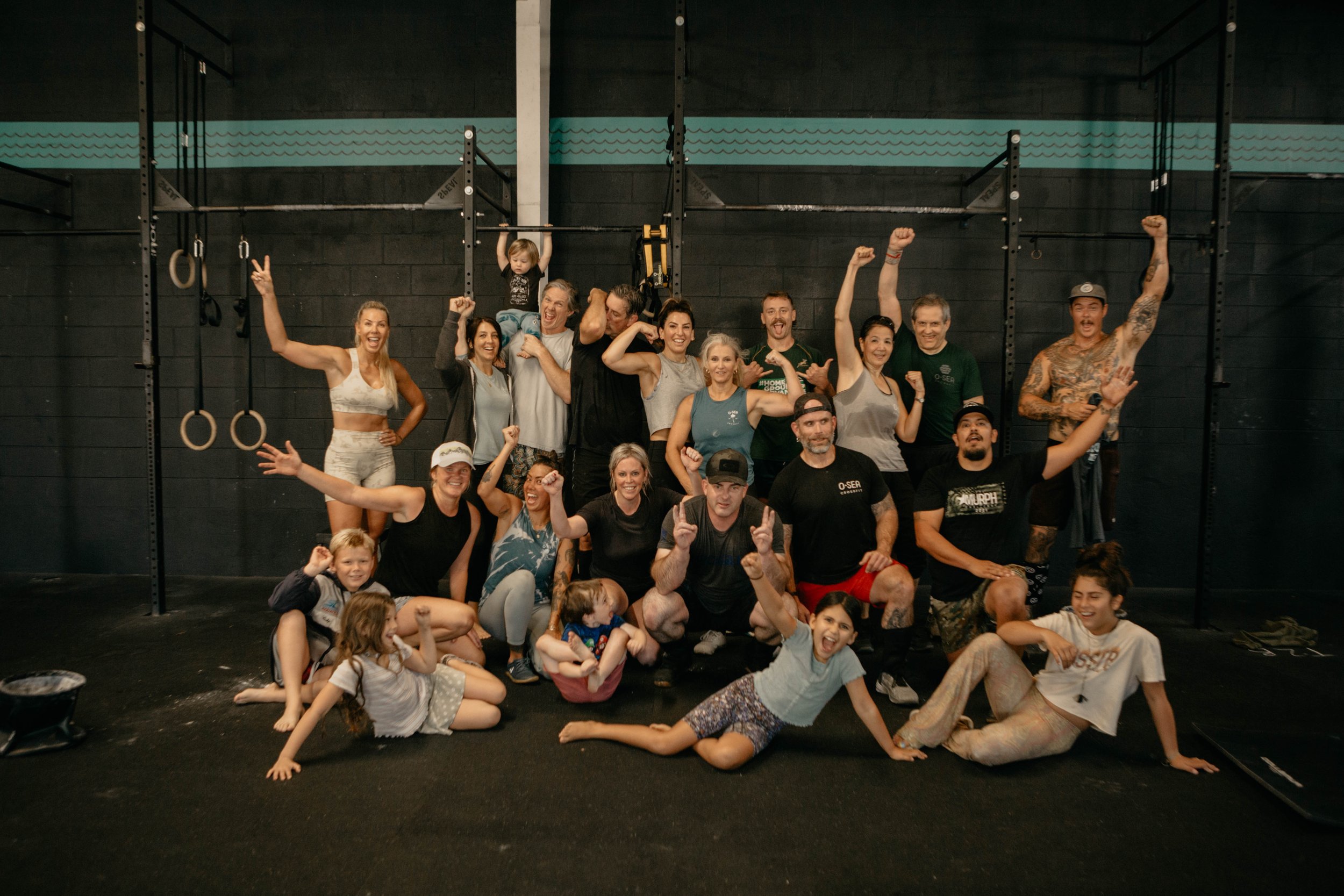
Partner workouts are where many members first learn the names of the people in their class. You talk before, during and after the work, and you watch experienced members scale, rest and slow down too. For someone still deciding whether they fit in a group, one partner day can build more connection than weeks of training side by side in silence. If you see one on the schedule during your first weeks, come in, tell the coach you are new, and ask to be paired with someone who knows the format. The first class guide covers the rest of what to expect when you walk in.
Talk it through before your first class
Book a free consultation, tell a coach your history and your goals, and start at the pace that is right for you.